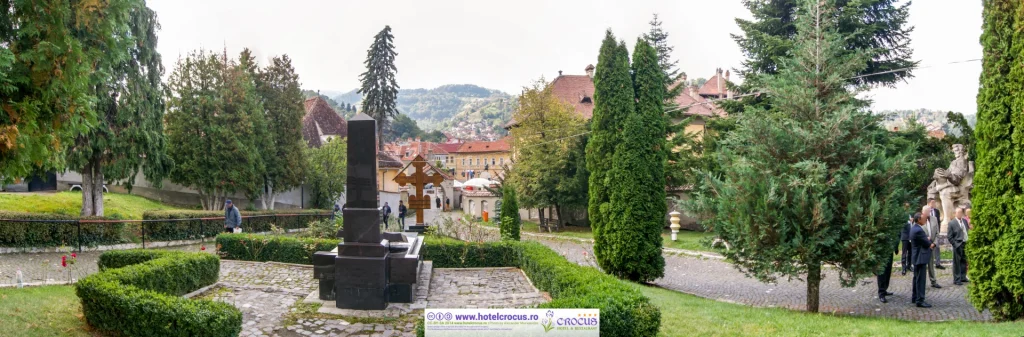
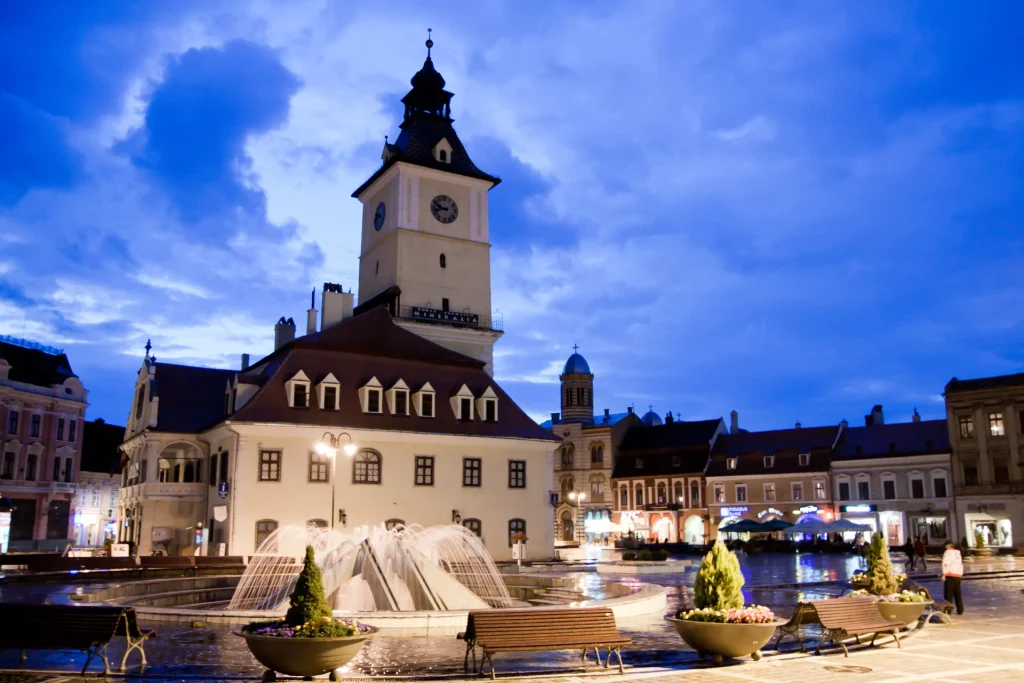
You do not need an architecture degree to read Braşov; you only need time to look carefully. Pastel façades, old lanes, substantial churches, former defensive elements and later civic architecture gathered beneath the wooded slopes. Start with scale. Which streets feel enclosed, which open suddenly, and which buildings seem to organize movement around them? Then look at details: doors, windows, balconies, stone or brickwork, signs, courtyards and the edges between public and private space. These elements often reveal more about local history than a quick photograph of a famous façade. The city also speaks through contrast, because old and new rarely sit in perfect harmony. That tension is part of the story. Taking time in the historic center without blocking narrow passages, dressing for fast-changing mountain weather and treating active local streets as more than a photo backdrop. Seen on foot, Braşov becomes a sequence of visible choices about community, function and memory. Its architecture is not simply scenery; it is the physical framework through which everyday culture continues to happen.