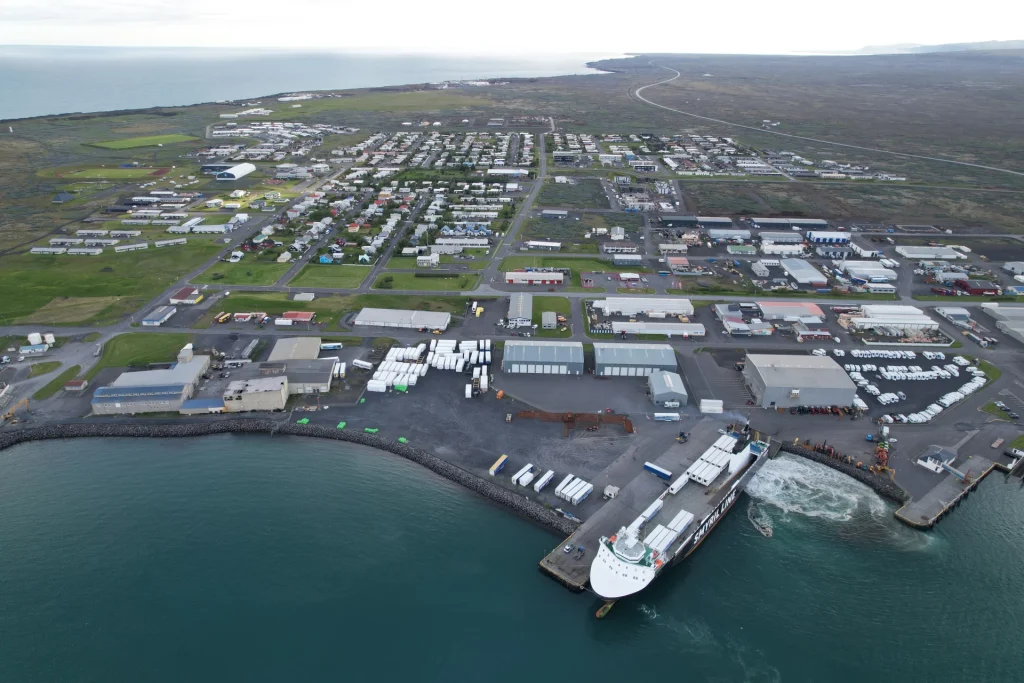
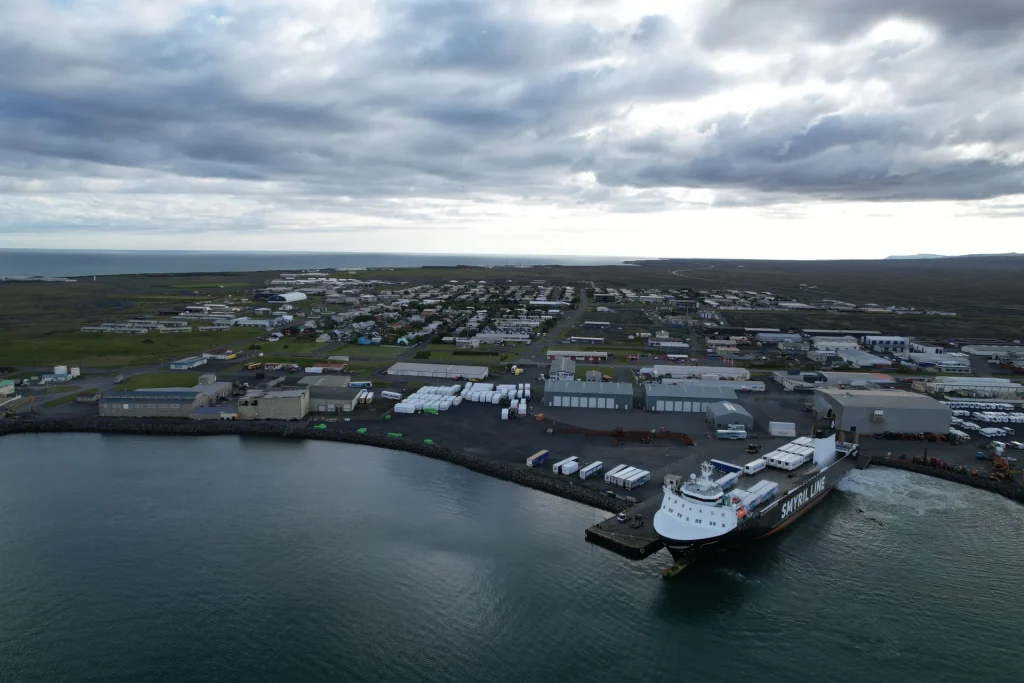
Þorlákshöfn does not present itself through grand historic architecture. Its built character is practical, low-rise and closely connected to the harbour, reflecting a town that expanded around fishing and modern services. That simplicity is part of its cultural story. Earlier generations used Þorlákshöfn as a seasonal fishing station, while the present-day settlement developed into a permanent coastal community. Travelers can read that transition in the relationship between the port, residential streets and public facilities rather than in a single old quarter. The town’s architecture prioritizes shelter, function and everyday use in a demanding coastal climate. Seen this way, Þorlákshöfn offers an instructive contrast to Iceland’s more picturesque historic villages. Its sense of place comes from continuity of purpose: a settlement built around access to the sea, adapted over time for contemporary local life.