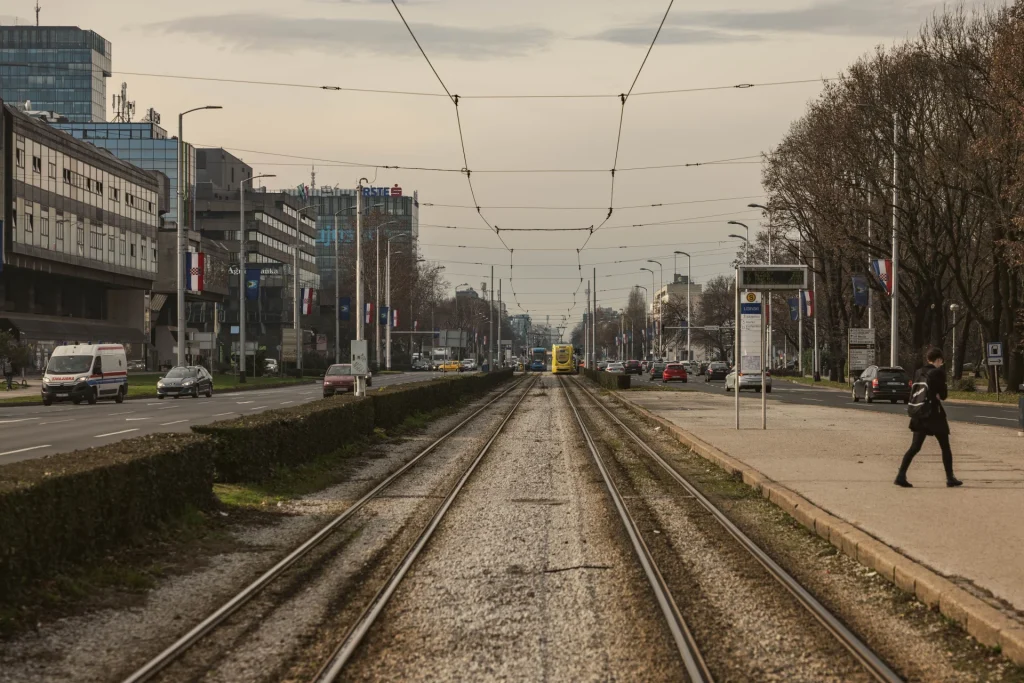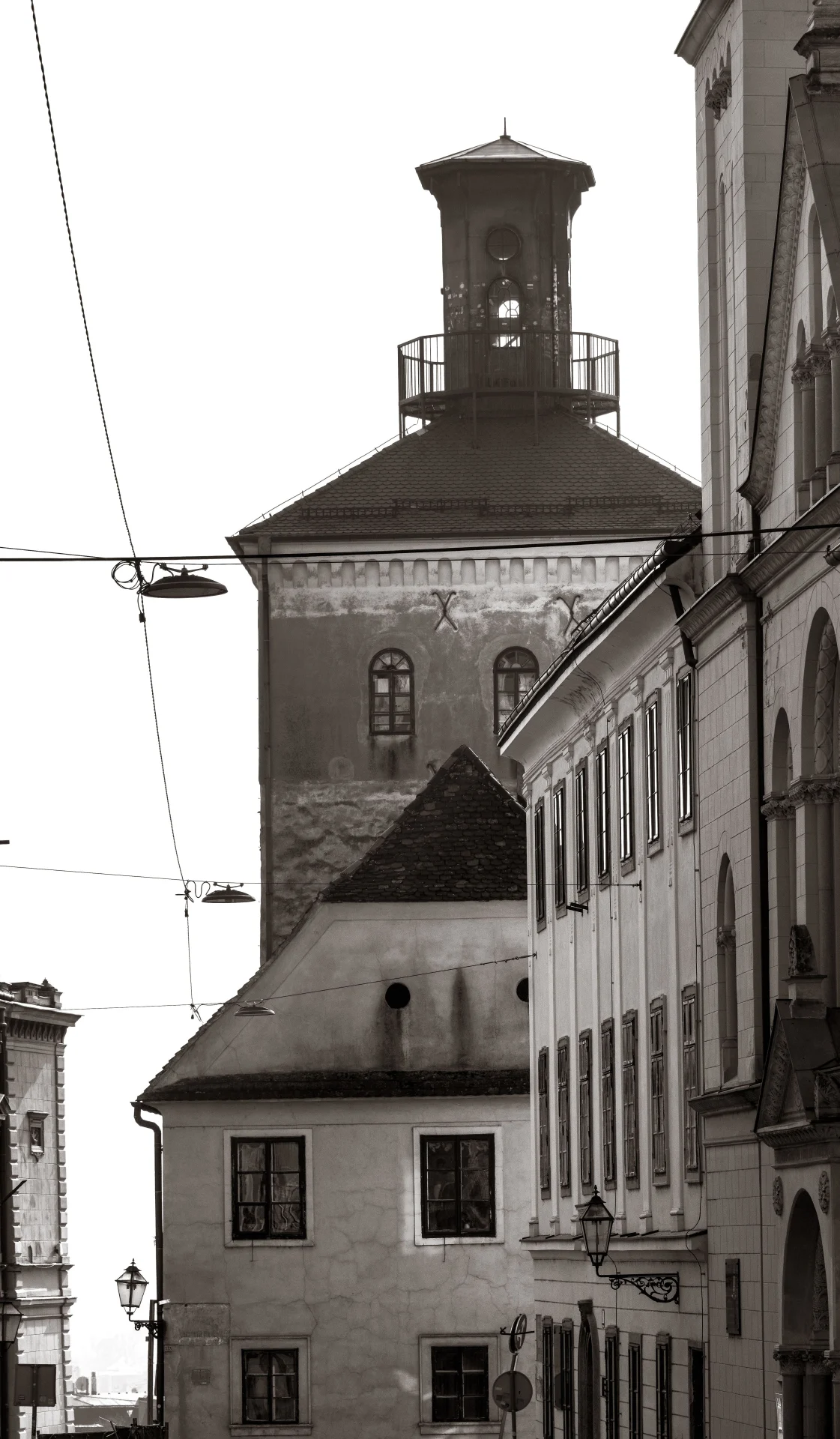
Zagreb’s architecture is best understood through contrast. Older streets and elevated historic areas create a more intimate scale, while the lower city opens into broader avenues, formal façades and green public spaces. Moving between these zones gives travelers a clear sense of how the capital developed in layers. The transition is not only visual; the pace of walking changes too. Narrower streets encourage close attention to doors, rooflines and small details, while larger civic spaces invite wider views and longer sightlines. Rather than trying to assign the city one architectural identity, notice how different periods sit beside each other and remain active parts of daily life. Cafés, institutions, shops and homes occupy buildings of varied character, keeping heritage connected to present use. Zagreb’s streetscape tells its story through these shifts in scale, elevation and public space.