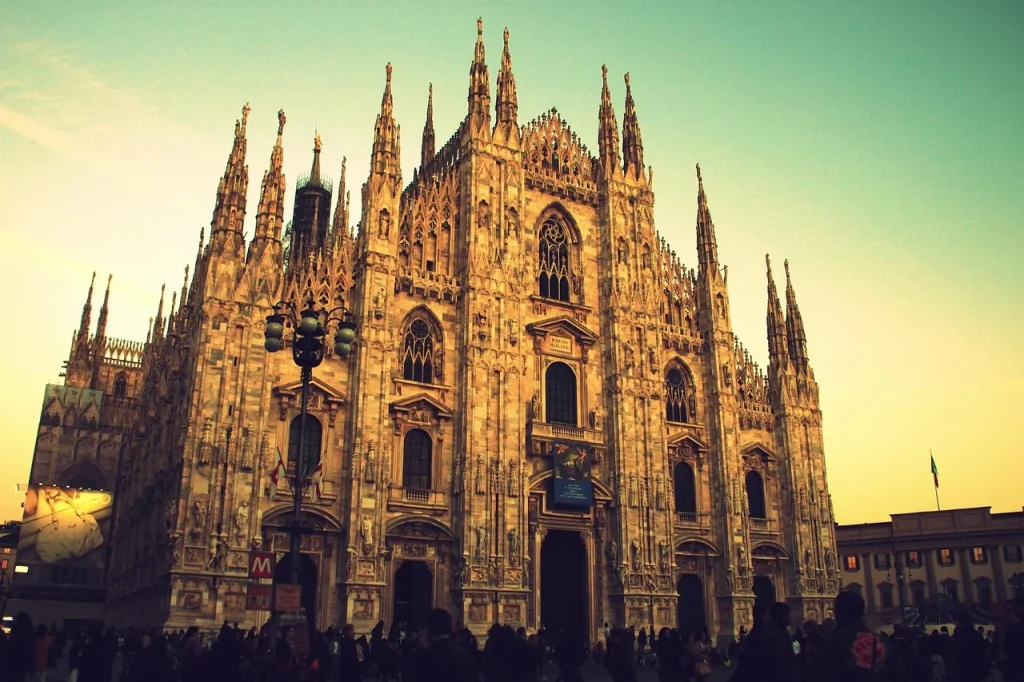
Milan reveals itself through movement. Early in the day, bars fill with quick espresso stops, trams carry commuters across the city and neighbourhood streets feel purposeful rather than theatrical. By lunch, office districts, university areas and historic quarters develop different rhythms, while late afternoon softens the pace. Brera’s lanes become places to linger, Porta Venezia turns outward to cafés and pavements, and the Navigli begin their gradual shift toward evening. What makes Milanese street life distinctive is the balance between efficiency and sociability. People move quickly, but they also protect rituals of coffee, conversation, window-shopping and the after-work pause. Travelers who only focus on the monumental centre can miss this texture. Take a tram, walk a residential block, stand at a bar counter, then change districts before sunset. The city’s culture is not confined to galleries or fashion addresses; it is visible in the way different neighbourhoods share the same confident, highly urban rhythm.