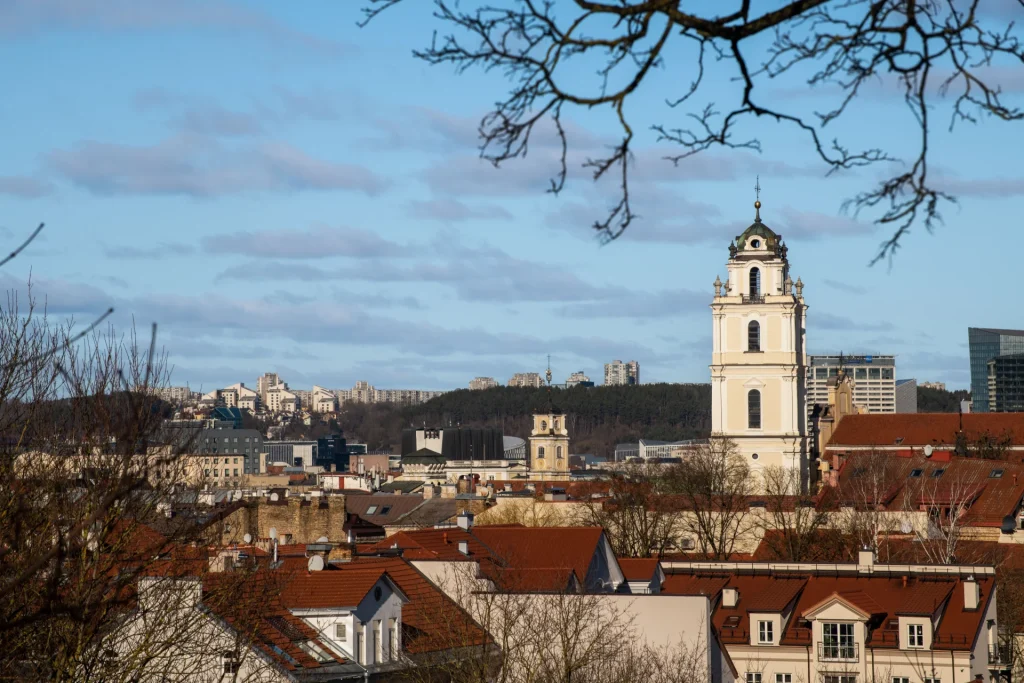
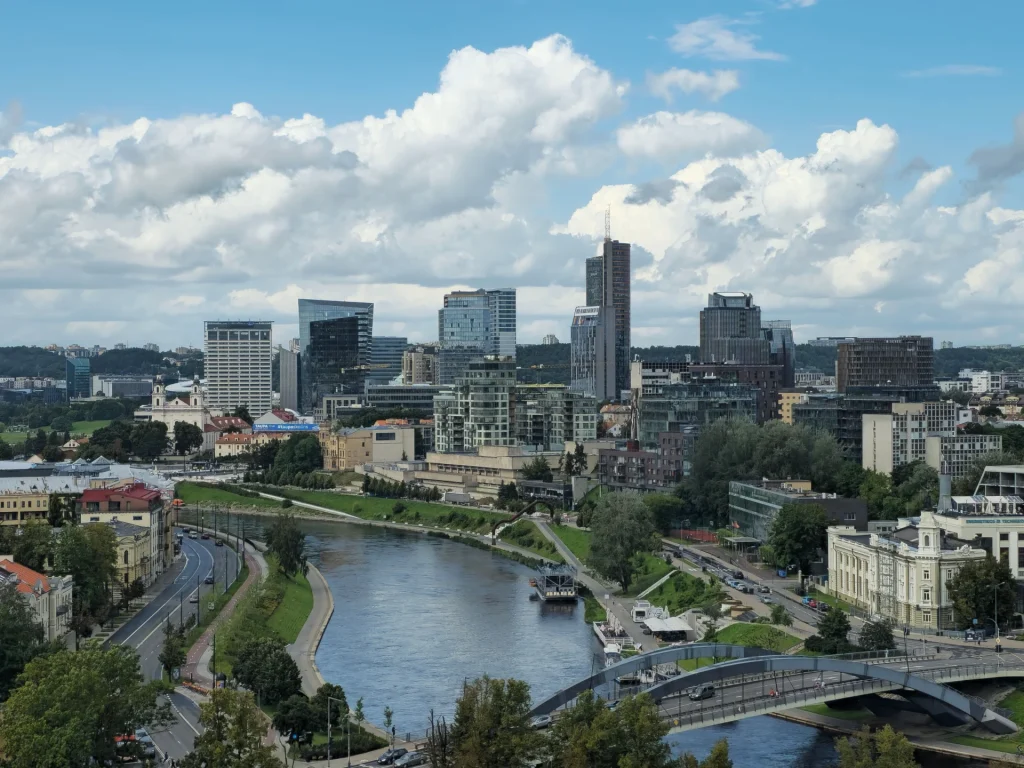
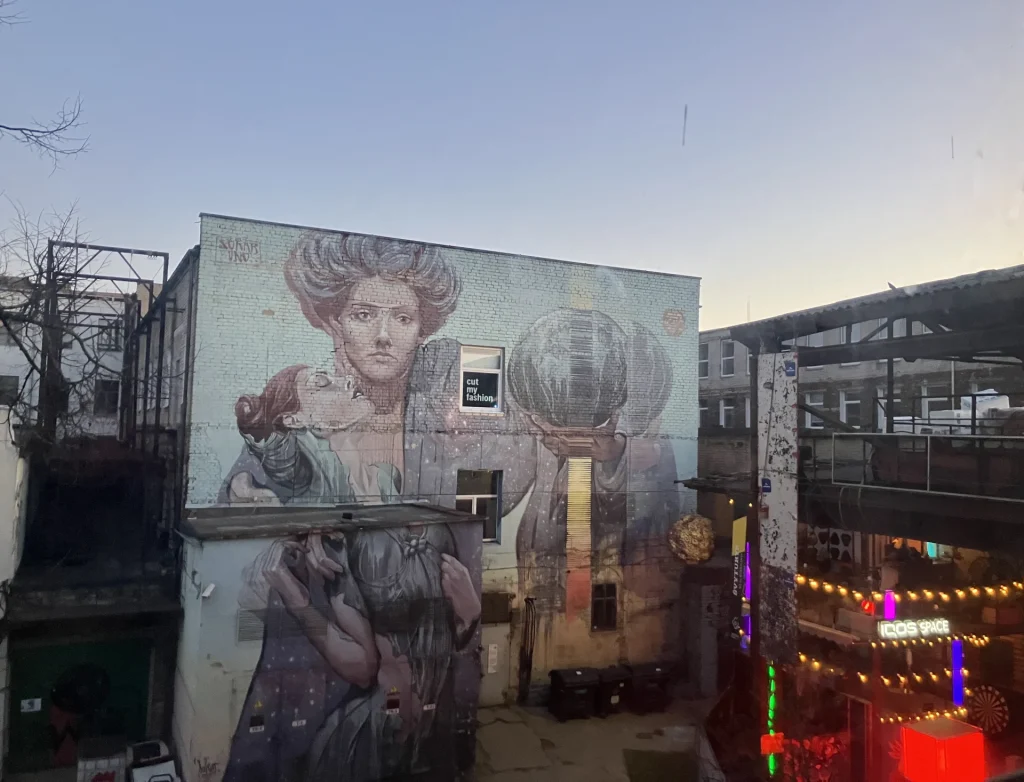
Vilnius is rewarding when you stop treating the center as a route between landmarks and start watching how people use it. Morning coffee, students crossing old streets, office workers at lunch and evening conversations on terraces all add layers to the city beyond its architecture. The historic center is highly walkable, but the rhythm changes as you move through courtyards, side streets, greener spaces and more contemporary neighborhoods. That variety makes wandering part of the cultural experience. Travelers can slow down, choose a café without a checklist, browse a small shop or sit in a public square long enough to notice the city changing around them. Vilnius often feels intimate despite being a capital: grand façades can open onto quiet passages, while active streets quickly give way to calmer corners. The everyday city lives in those transitions, and they are easiest to understand when you leave room in the day for unplanned stops.