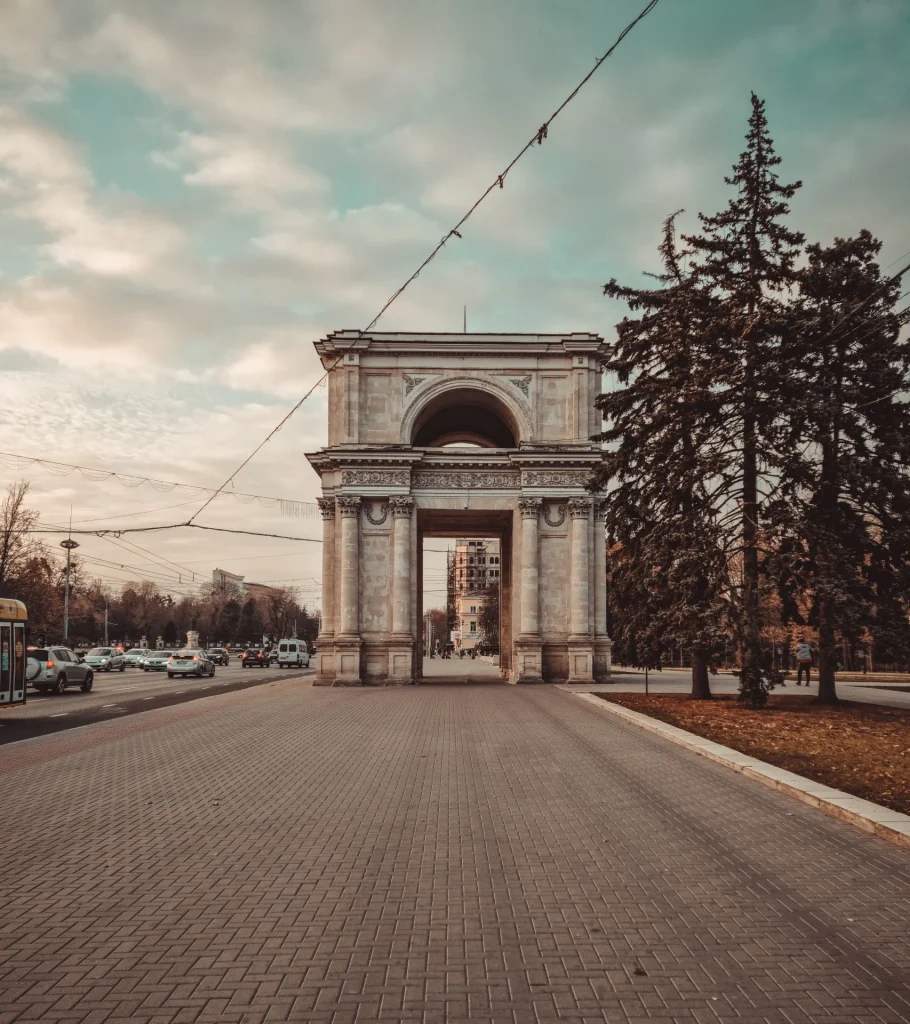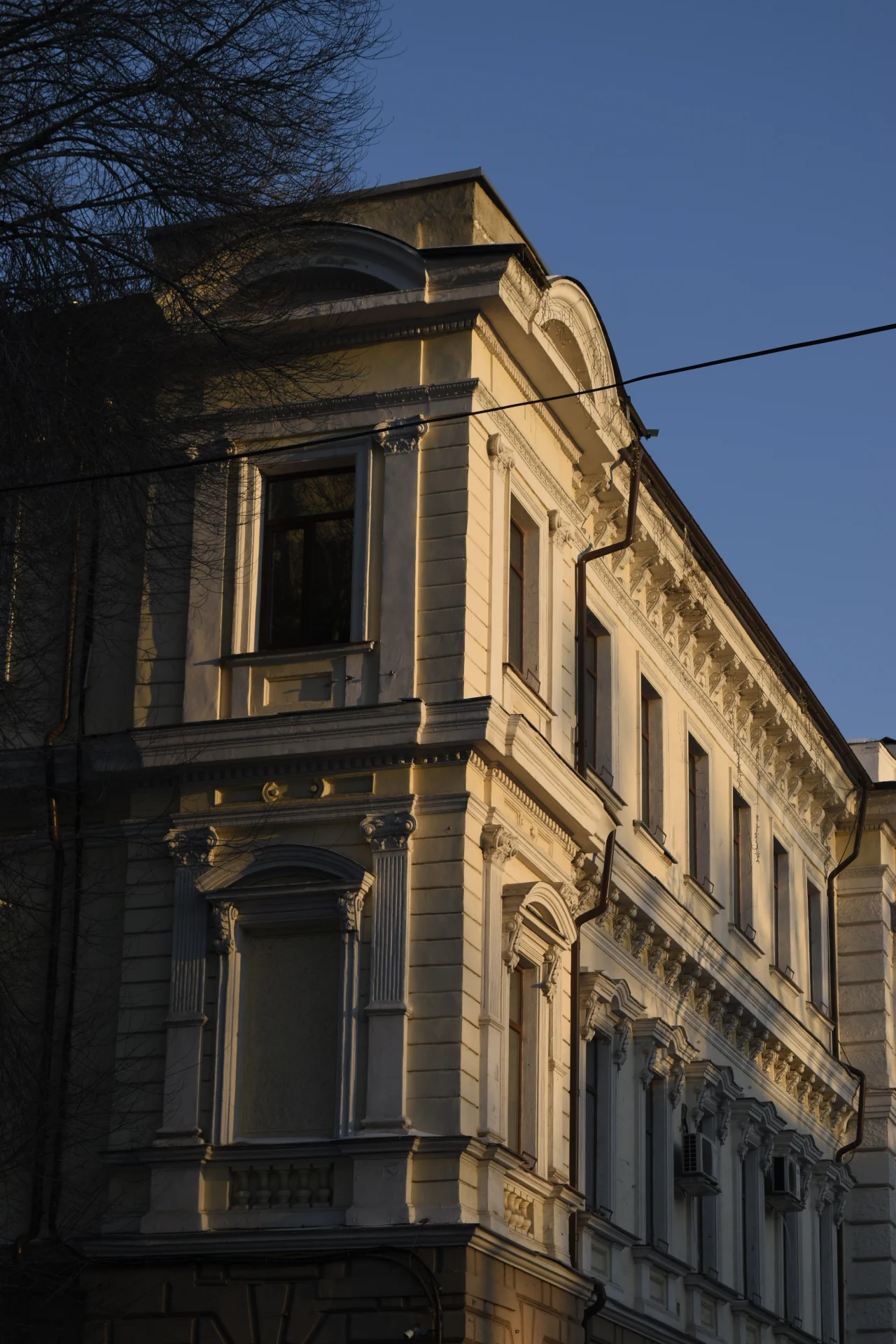
Chisinau tells much of its history through streets rather than through one single architectural style. Walk through the center and surrounding neighborhoods and the city shifts between civic buildings, older houses, religious architecture, apartment blocks and newer construction. Those layers reflect periods of change that have shaped Moldova’s capital and give the city a visual character that rewards slow observation. Travelers can read this history in scale and detail: formal façades on central avenues, quieter residential streets, mature trees framing older buildings, and places of worship that remain part of community life. The value of exploring Chisinau this way is not in collecting dates or architectural labels, but in noticing how different eras coexist in an active modern city. Look upward at rooflines, gates and balconies, then watch how people use the spaces around them. Chisinau’s built heritage feels most meaningful when it is seen not as a museum backdrop, but as part of everyday movement, memory and identity.