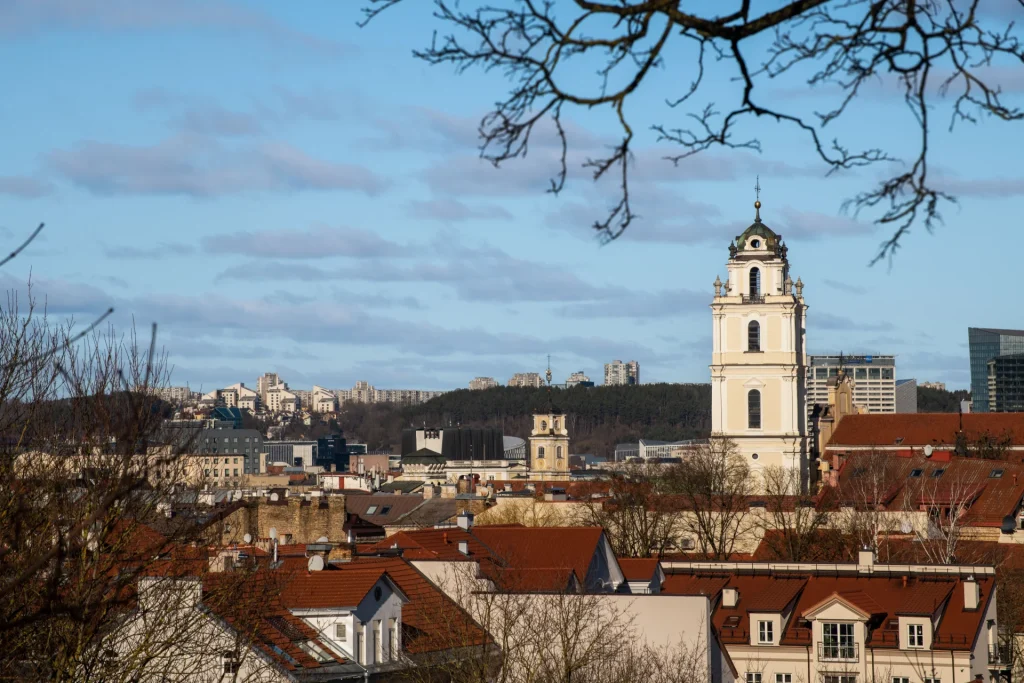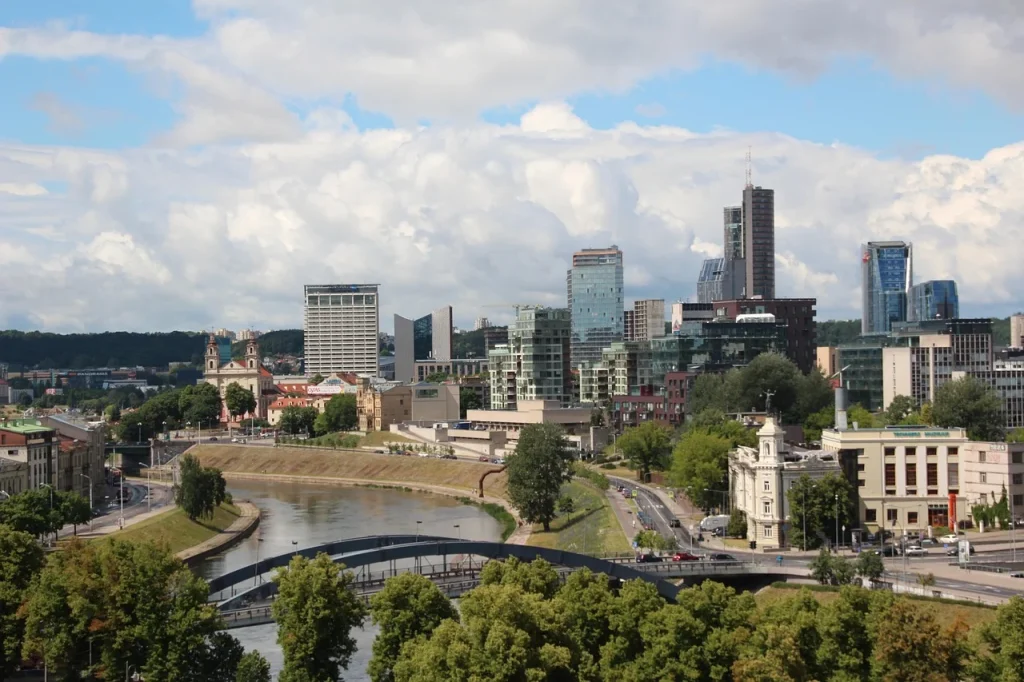

Vilnius’s religious architecture is one of the clearest ways to read the city’s layered history. Church towers, monastery complexes, courtyards, and former religious quarters appear throughout the historic centre, reflecting centuries in which different communities shaped the capital. Gothic, Renaissance, Baroque, and later architectural influences often stand within a short walk of one another.
The city’s Christian heritage is especially visible in its Catholic and Orthodox buildings, while Jewish history remains essential to understanding Vilnius even where the physical fabric was damaged or lost. This mixture makes cultural memory more complex than a single architectural style or faith tradition. Places of worship function as landmarks, but they also point toward stories of education, migration, conflict, devotion, and community life. For travelers, exploring Vilnius respectfully means looking beyond façades: noticing inscriptions, courtyards, memorials, museums, and the changing uses of historic buildings. The city’s spiritual heritage is best understood as layered, diverse, and still present in public memory.