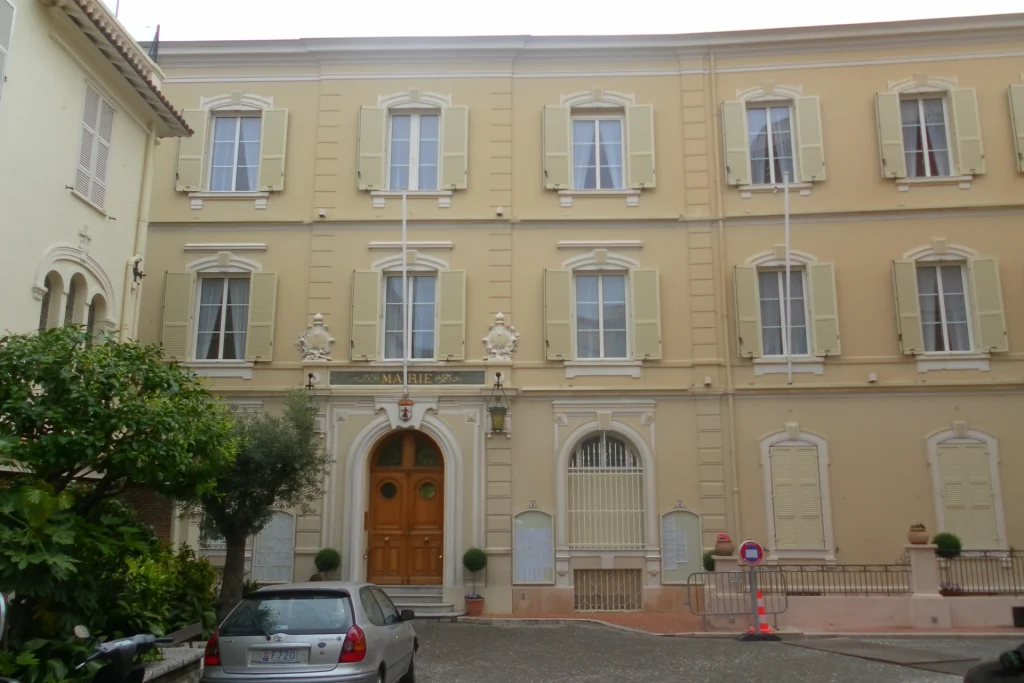
Monaco’s historic character is carried through more than its grandest buildings. Stone façades, chapels, churches, civic spaces and older lanes create a sense of continuity within a municipality otherwise associated with modern towers and high-profile events. Walking these areas slowly helps travelers see how architecture supports identity: places of worship remain part of the lived city, public squares hold ceremonial and everyday meaning, and older masonry provides a visual counterpoint to contemporary development. The value is in the contrast rather than in collecting monuments. Notice how religious and civic buildings sit within narrow streets, how viewpoints connect heritage quarters to the sea, and how careful maintenance keeps historic textures visible. Respectful dress and quiet behaviour around sacred spaces are simple ways to engage appropriately. Monaco’s architecture tells a story of a very small territory repeatedly adapting to change while preserving symbols of memory, community and continuity in its most recognisable urban fabric.