To provide the best experience on IzziGo, we use cookies and similar technologies to store and/or access device information. This allows us to improve website functionality, personalize content and recommendations, analyze usage and performance.
We updated our privacy and cookie settings. Please review your choices again.
Analytical, preference, marketing, and external media services require your consent.
You can change or withdraw your consent anytime.
✓
Privacy and cookie settings
Choose which optional technologies IzziGo may use.
Your control
We updated our privacy and cookie settings. Please review and confirm your choices again.
Your privacy choices
Necessary and security technologies keep IzziGo working safely. All other categories are optional and remain blocked unless you allow them.
Open a category to review its purpose and change the setting. You can return here at any time to update or withdraw your consent.
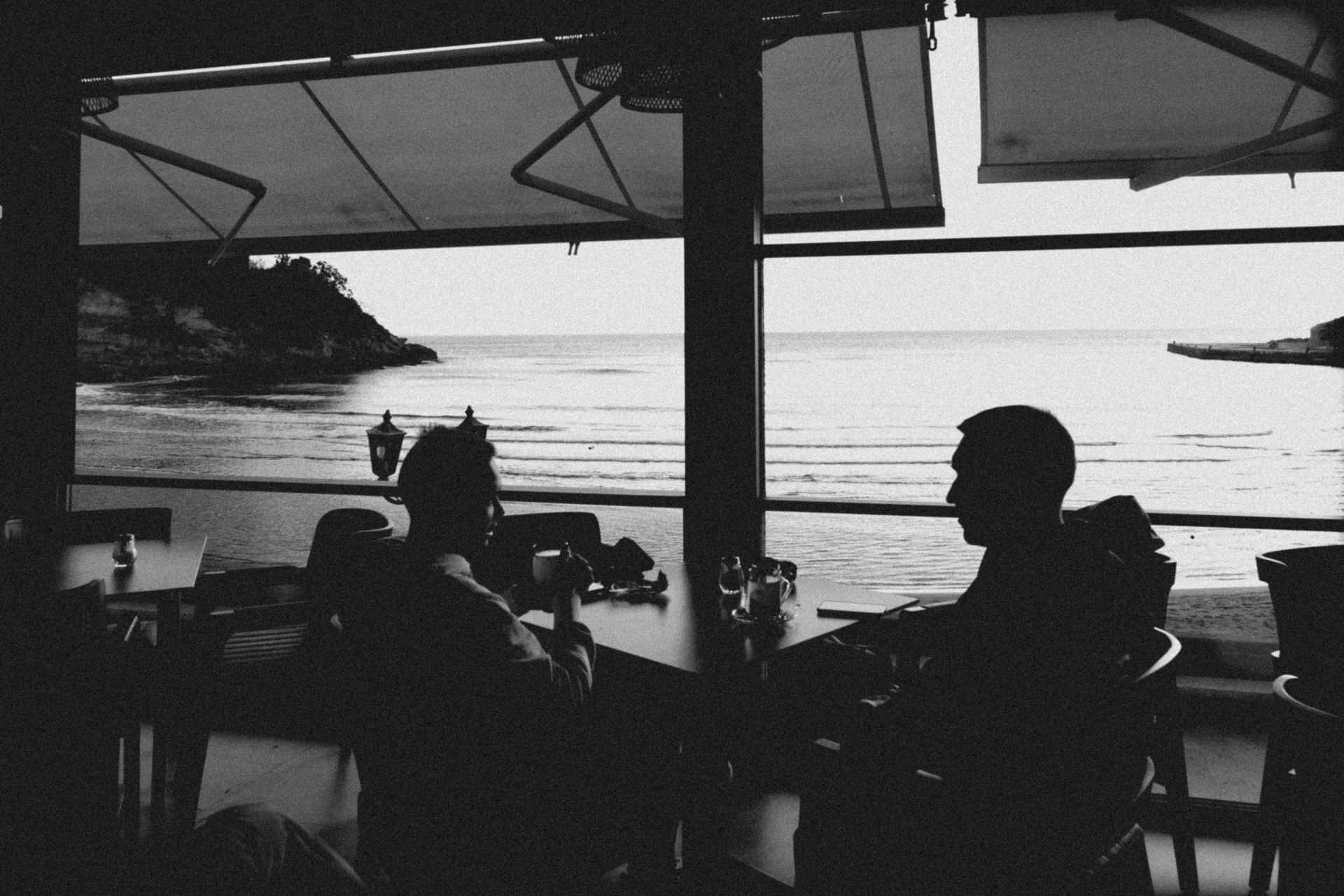
Experience Podgorica through its café culture, neighborhood meeting places and evening rhythm, where everyday sociability reveals a confident, lived-in Montenegrin capital.
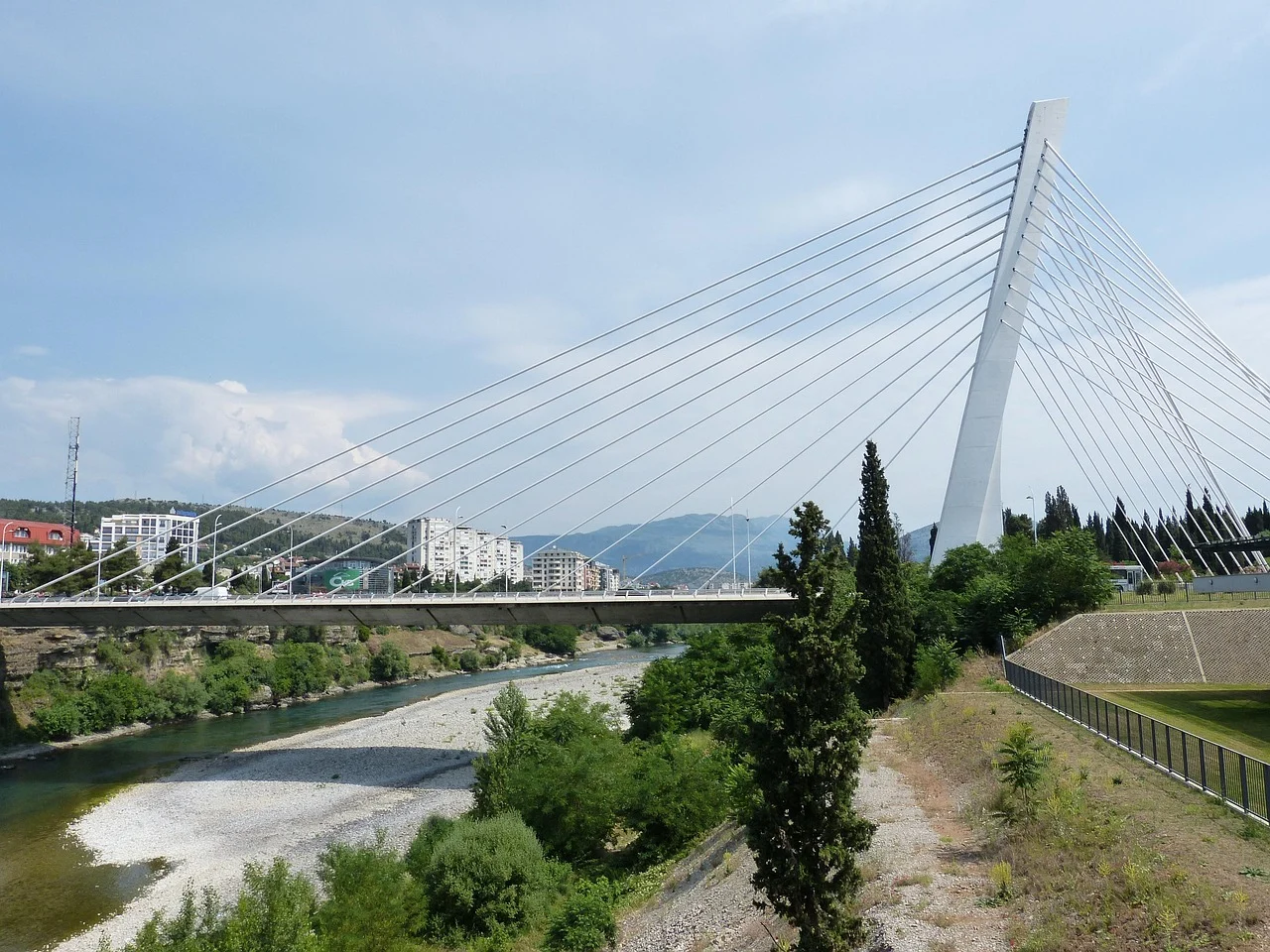
Walk between Podgorica’s older quarters and modern boulevards to see how architecture, community landmarks and changing neighborhoods reveal the capital’s layered history.
Follow the Morača and Ribnica through Podgorica to understand how rivers, open plains and nearby hills shape the capital’s everyday landscape and local rhythm.
Explore Podgorica’s food culture through markets, vineyards, seasonal produce and simple shared meals that connect the Montenegrin capital with its surrounding countryside.
See how Podgorica’s urban life meets nearby village rhythms, where family tables, practical hospitality and close ties to the countryside remain part of regional identity.
On Montenegro’s Zeta Plain, hospitality grows from family yards, gardens, cultivated land, coffee, conversation, and a rural rhythm close to Podgorica.
Žabljak’s mountain hospitality is practical and generous, shaped by long winters, scattered villages, family ties, weather knowledge, and time shared around simple tables.
Žabljak’s highland table reflects pastoral life through dairy, cheese, meat, potatoes, bread, and warming meals suited to northern Montenegro’s long winters.
Small Orthodox churches, graveyards, stone walls, and rural buildings around Žabljak connect spiritual heritage with family memory and the mountain landscape.
Žabljak’s mountain identity lives in useful skills—wool, woodwork, food preservation, repair, and winter preparation shaped by climate and family knowledge.
Zeta’s fertile plain supports gardens, orchards, vineyards, and seasonal produce, giving local meals a direct connection to family agriculture and nearby markets.