To provide the best experience on IzziGo, we use cookies and similar technologies to store and/or access device information. This allows us to improve website functionality, personalize content and recommendations, analyze usage and performance.
We updated our privacy and cookie settings. Please review your choices again.
Analytical, preference, marketing, and external media services require your consent.
You can change or withdraw your consent anytime.
✓
Privacy and cookie settings
Choose which optional technologies IzziGo may use.
Your control
We updated our privacy and cookie settings. Please review and confirm your choices again.
Your privacy choices
Necessary and security technologies keep IzziGo working safely. All other categories are optional and remain blocked unless you allow them.
Open a category to review its purpose and change the setting. You can return here at any time to update or withdraw your consent.
Beyond Pärnu city, villages and coastal communities reveal a slower regional rhythm shaped by nature, local routines, shared food and understated hospitality.
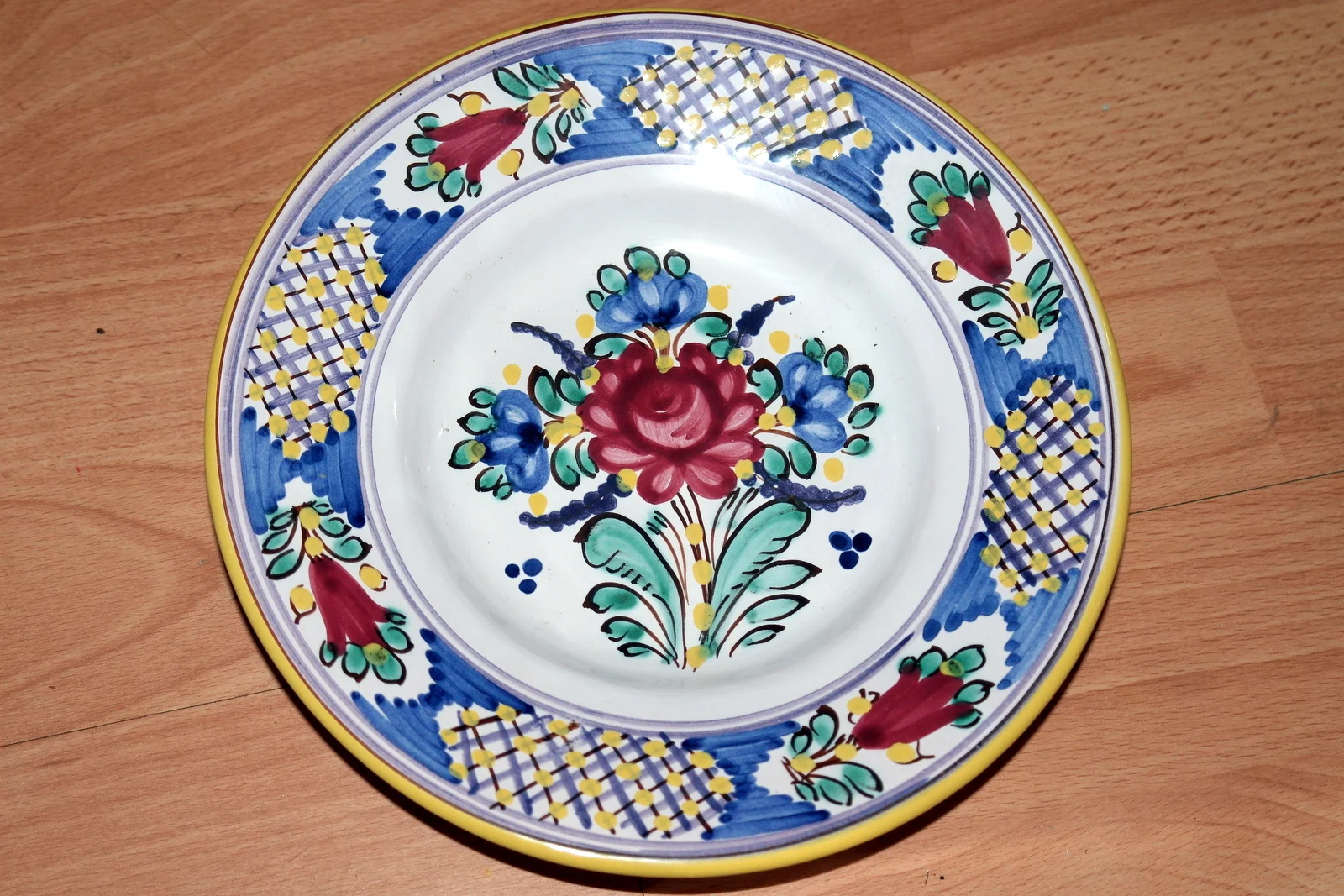
Ceramics, vineyards and seasonal customs express Bratislava Region’s local identity, especially in communities where craft and wine traditions remain part of daily life.
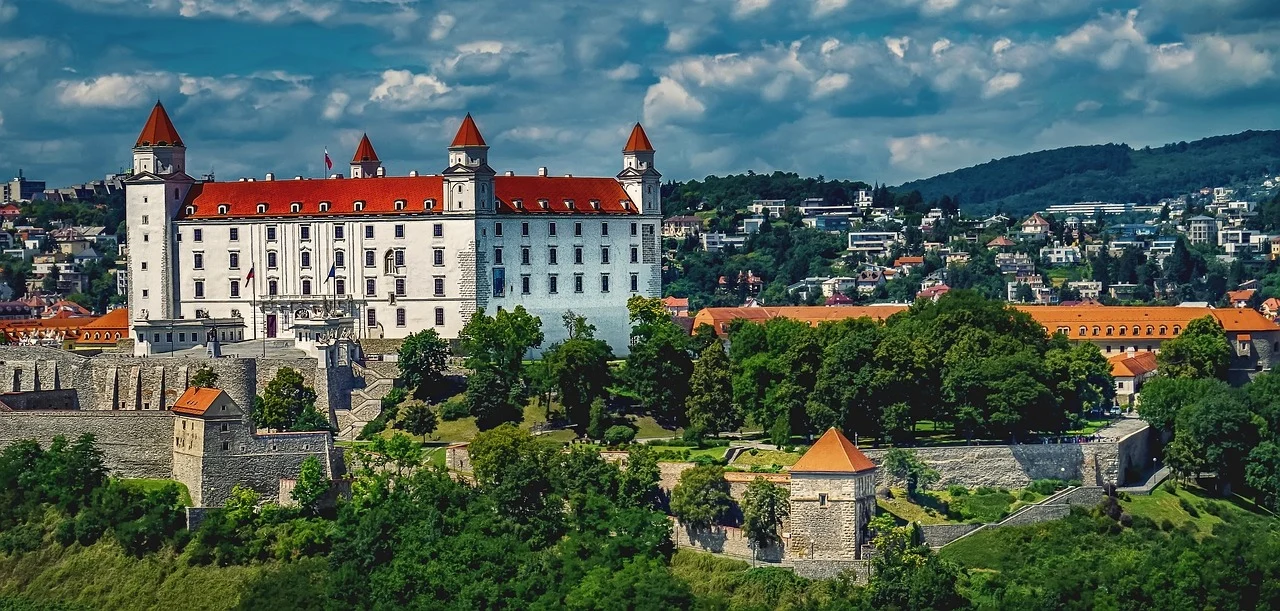
Castles, churches, historic streets and wine-town architecture reveal how Bratislava Region’s cultural memory remains woven into everyday landscapes and communities.
Vineyards, seasonal meals and shared tables connect Bratislava Region’s food culture to the Little Carpathians and its long-standing wine-growing communities.
Beyond Bratislava, vineyard towns and villages reveal a quieter regional rhythm shaped by community life, shared tables, seasonal work, and the Little Carpathian landscape.
Uppsala and Uppland express seasonal identity through Midsummer gatherings, harvest rhythms and the changing light that shapes outdoor life across the year.
Uppsala Cathedral and the landscape of Gamla Uppsala reveal two distinct layers of sacred history, linking monumental architecture with older northern memory.
Uppsala’s fika culture turns coffee and something sweet into an everyday social ritual shared by students, families, workers and travelers across the city.
Beyond Uppsala’s academic centre, Uppland farmsteads, open fields and rural settlements reveal a regional identity shaped by seasonal work and countryside life.
Donegal tweed, traditional music and everyday craft offer a tactile and social route into the distinct northern identity of Donegal, Cavan and Monaghan.