To provide the best experience on IzziGo, we use cookies and similar technologies to store and/or access device information. This allows us to improve website functionality, personalize content and recommendations, analyze usage and performance.
We updated our privacy and cookie settings. Please review your choices again.
Analytical, preference, marketing, and external media services require your consent.
You can change or withdraw your consent anytime.
✓
Privacy and cookie settings
Choose which optional technologies IzziGo may use.
Your control
We updated our privacy and cookie settings. Please review and confirm your choices again.
Your privacy choices
Necessary and security technologies keep IzziGo working safely. All other categories are optional and remain blocked unless you allow them.
Open a category to review its purpose and change the setting. You can return here at any time to update or withdraw your consent.
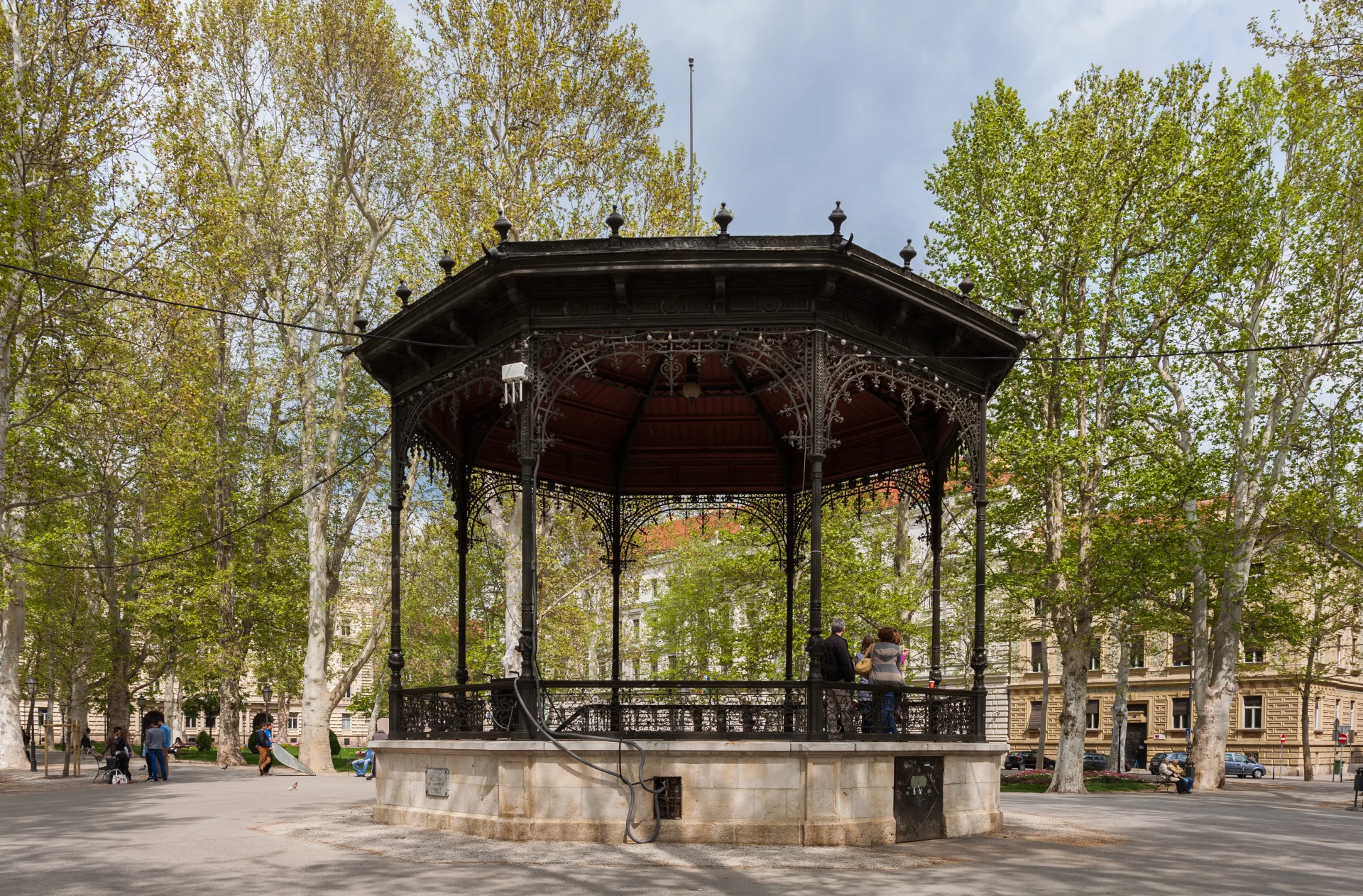
Parks, tree-lined streets and planted squares soften Zagreb’s urban fabric, offering slower routes through the capital and a strong connection to its wider setting.
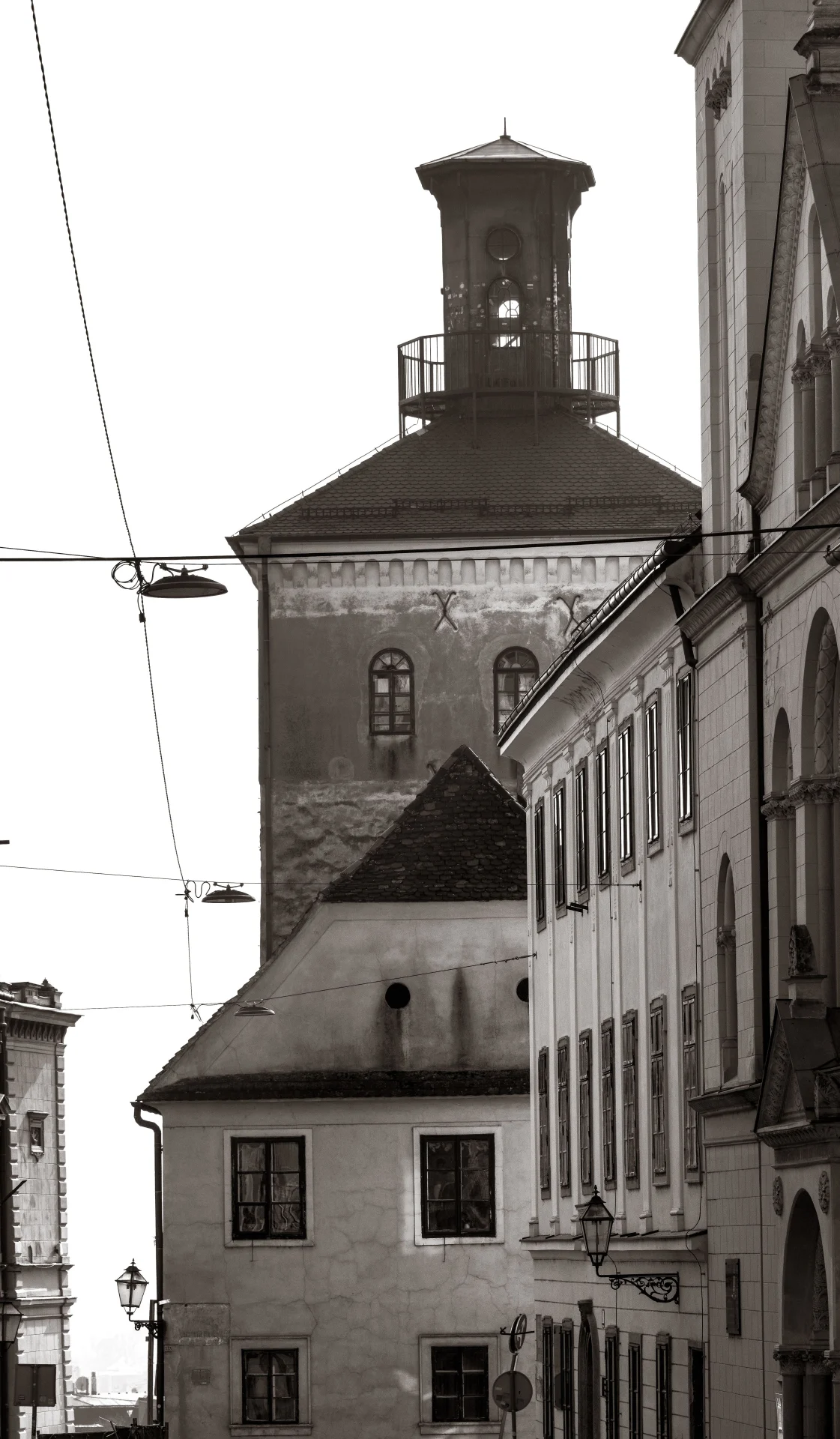
Zagreb’s architecture unfolds through contrasting layers, from intimate upper streets to broad lower-city avenues, formal façades and green civic spaces used every day.
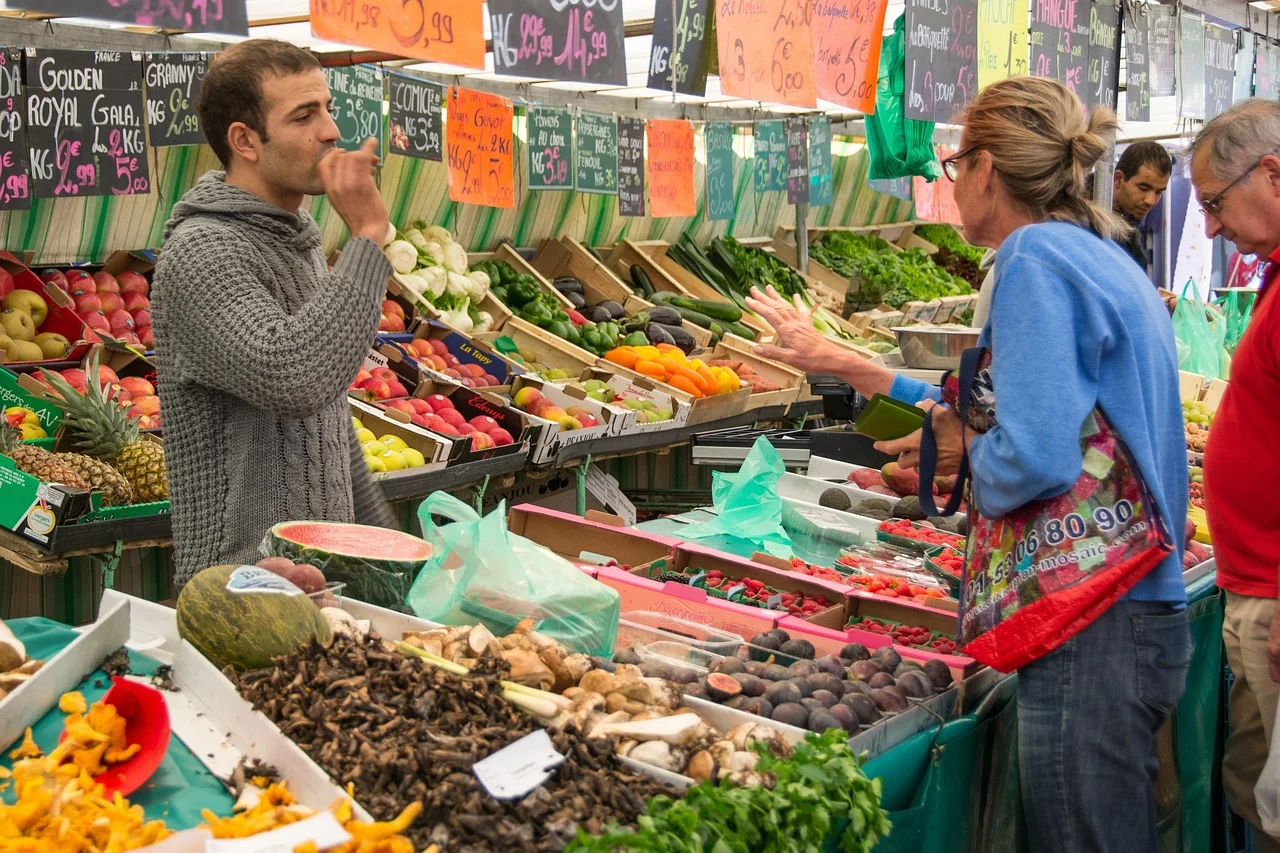
Zagreb’s food culture lives in markets, bakeries, cafés and shared meals, where seasonal tastes and long conversations form part of everyday city life.
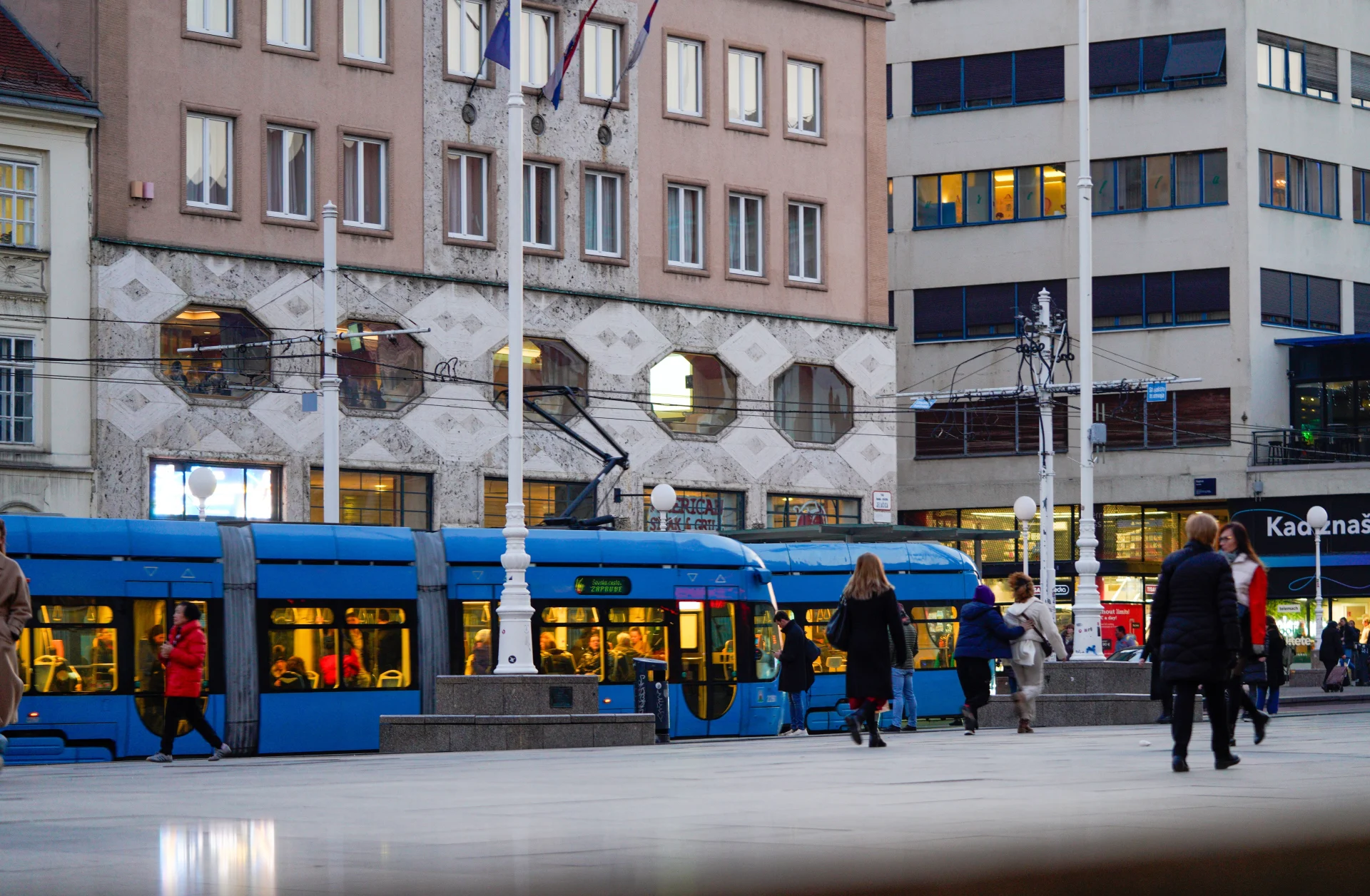
Zagreb’s character emerges through trams, walkable streets and a strong coffee culture where daily movement and long social pauses comfortably coexist across the city.
From spring greenery to winter interiors, Chisinau’s seasonal changes reshape how residents use streets, parks, cafés and everyday gathering places across the capital.
Parks and tree-lined streets give Chisinau its calm rhythm, creating everyday spaces for walking, conversation, rest and a slower, greener view of the capital.
Chisinau’s streets reveal overlapping architectural layers, from civic avenues and religious spaces to quieter residential buildings, leafy courtyards and changing urban scales.
Chisinau’s food culture comes alive through cafés, bakeries, markets and shared meals that reflect everyday Moldovan hospitality, seasonal tastes and unhurried conversation.
Walk Chisinau slowly to notice how broad avenues, leafy spaces, quiet courtyards and everyday routines shape the capital’s relaxed urban character and local pace.
Seefeld changes with snow, summer light and quieter shoulder seasons, while its pedestrian centre, public spaces and mountain routes remain anchors of local life.
Seefeld’s high-plateau setting connects its pedestrian centre directly with mountain views, lakes, meadows and walking routes between the Karwendel and Wetterstein ranges.
Seefeld’s churches, pedestrian streets and Alpine buildings form a compact townscape where historic landmarks and everyday hospitality spaces are experienced together on foot.