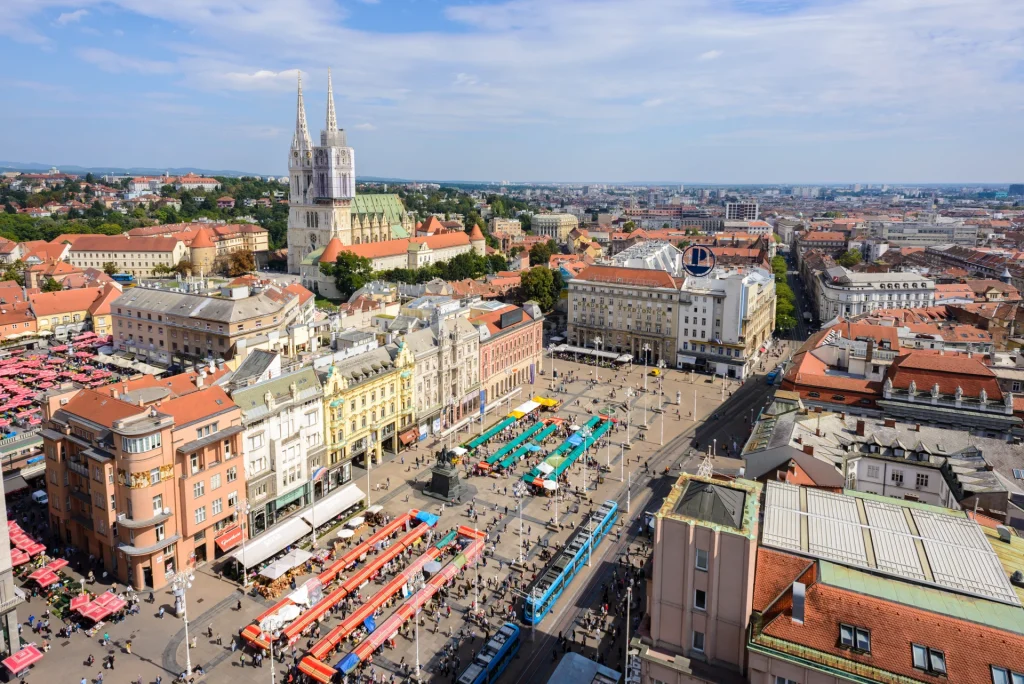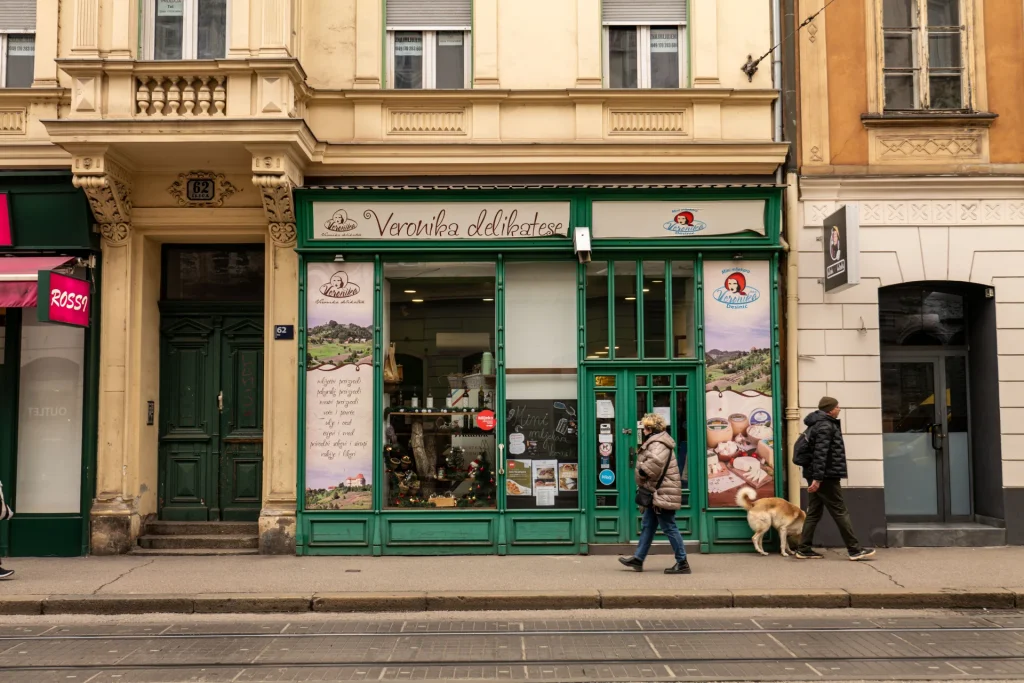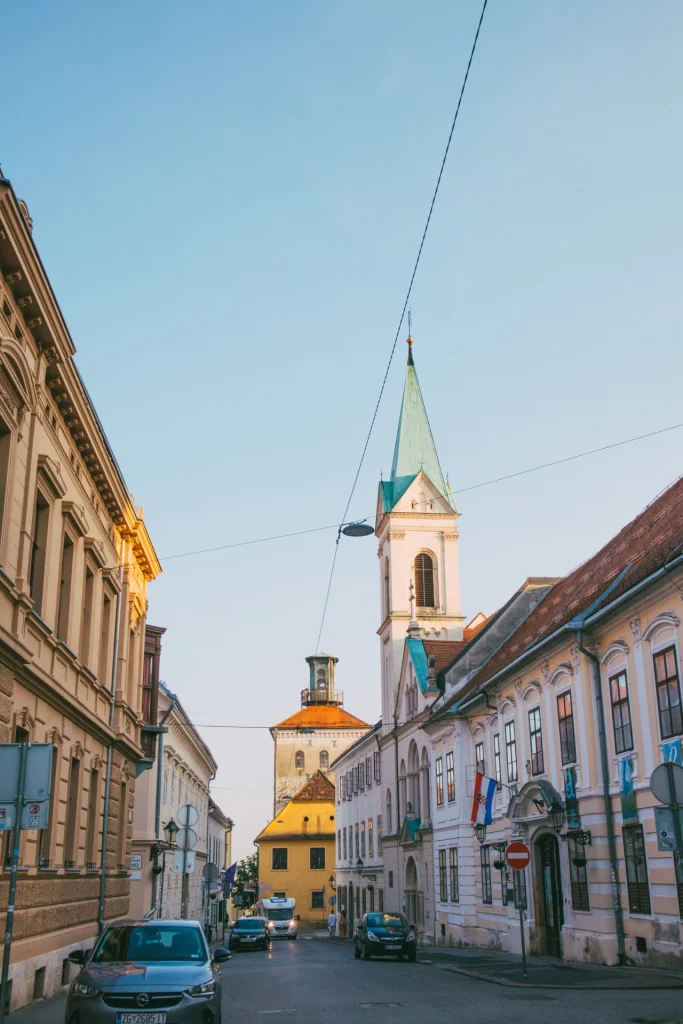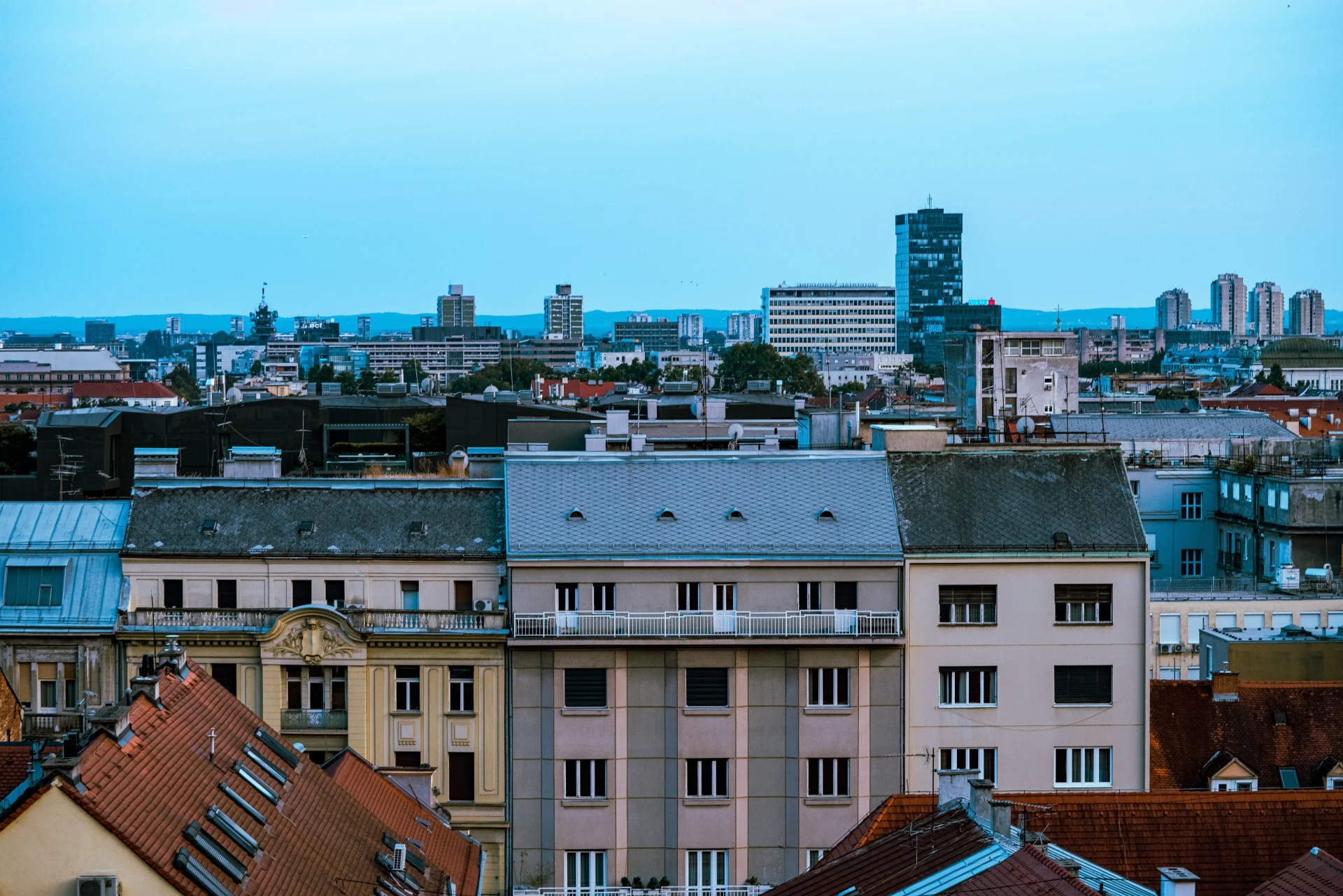
Zagreb’s regional character is easiest to understand when the capital is approached as a collection of neighborhoods rather than only a historic center. Daily life unfolds through short walks, familiar cafés, local shops, tram stops, courtyards and green spaces where residents meet repeatedly. This creates a social rhythm that feels personal even within Croatia’s largest city. Hospitality is often informal: time is given to conversation, coffee can stretch well beyond a quick break, and regular places become extensions of community life. Travelers who leave the main sightseeing routes can notice how residential streets change in scale and mood, from denser central blocks to quieter edges where gardens and hillside views begin to appear. The cultural value lies in these repeated routines. Zagreb is not only a place to see landmarks; it is a city where everyday habits reveal how people belong to their neighborhoods. Slow down, choose a local route, and let ordinary interactions shape the experience.